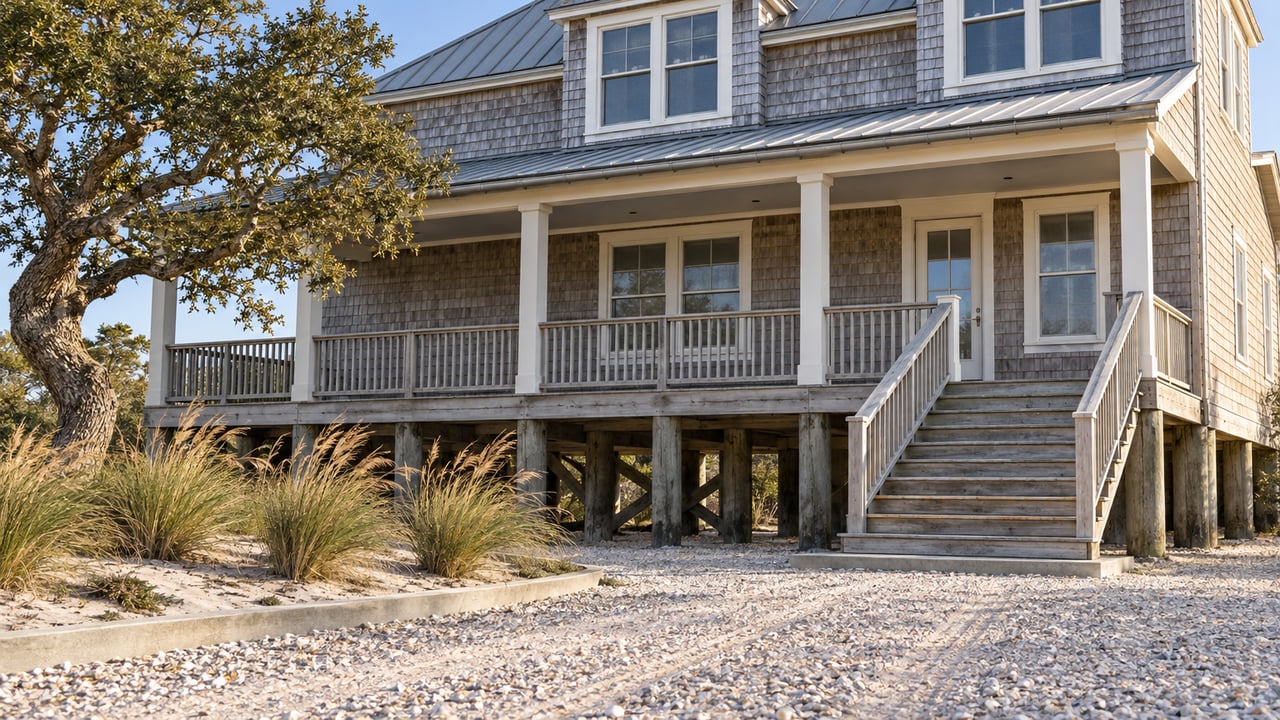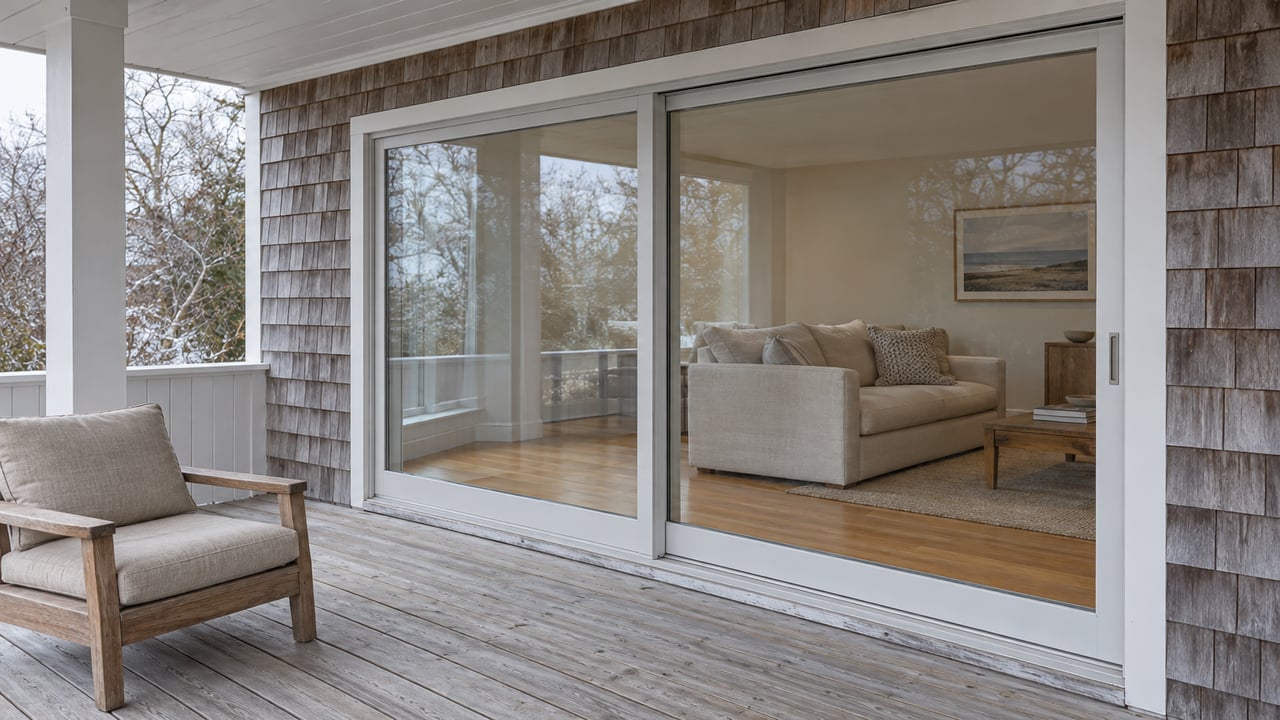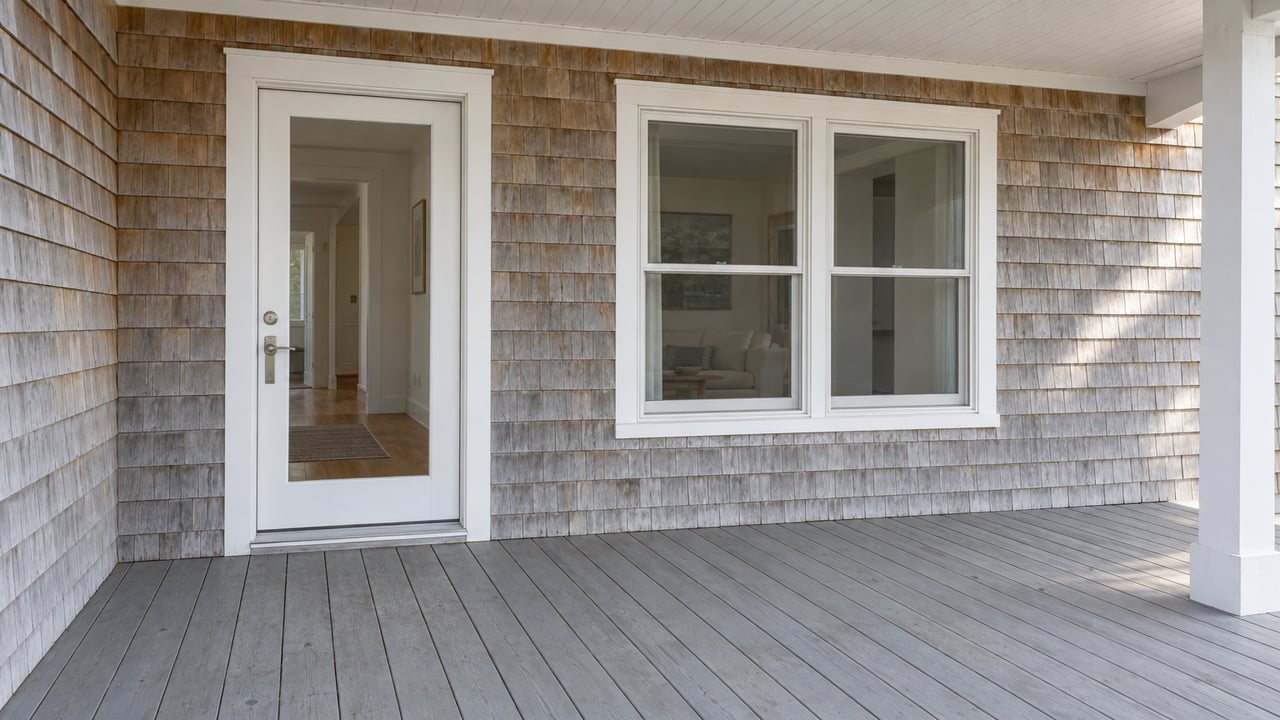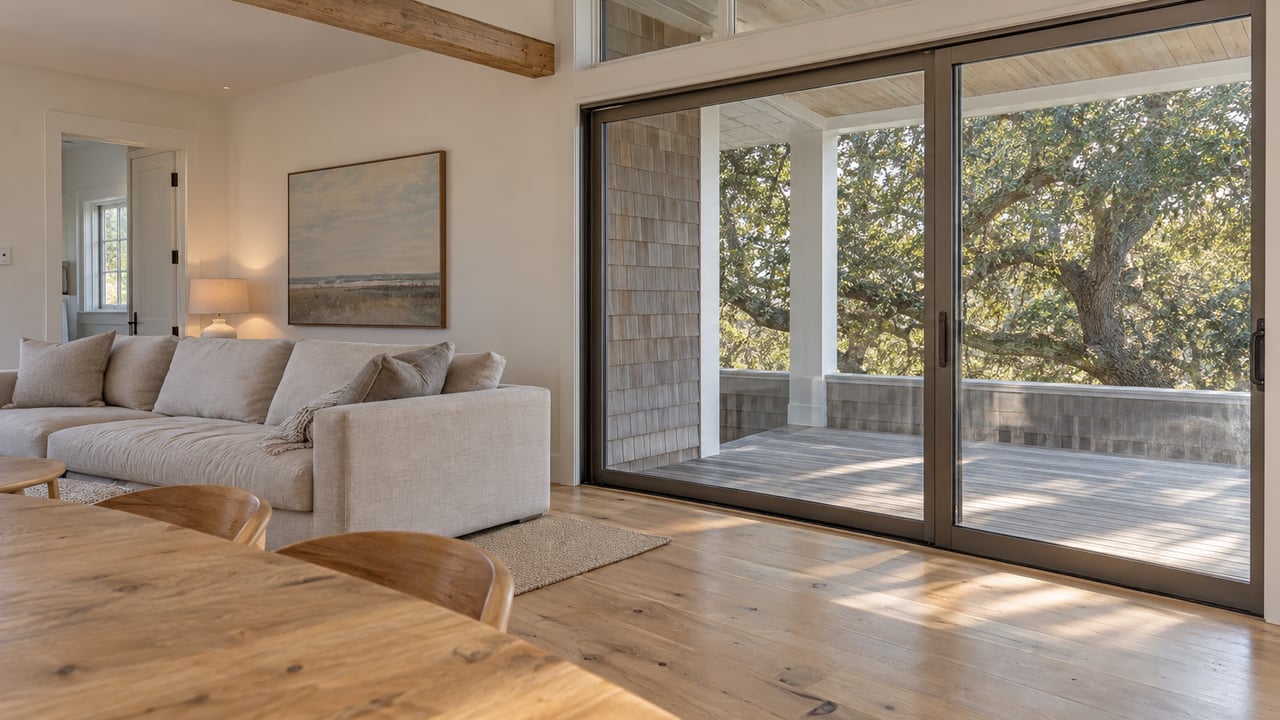
Choosing the right Outer Banks town can feel harder than choosing the right house. Each community offers a different mix of beach access, housing style, pace, and year-round practicality, and those differences matter when you are buying a primary home, second home, or investment property. If Nags Head is on your list, this guide will help you see how it compares to other Outer Banks towns so you can focus your search with more confidence. Let’s dive in.
Why Nags Head Stands Out
Nags Head sits in a unique middle position on the Outer Banks. The town describes itself as an oceanfront community and seasonal tourist destination, with about 3,000 year-round residents and more than 30,000 people on an in-season day. That combination gives it an active coastal feel without making it only a vacation setting.
Its housing profile helps explain that balance. Nags Head’s comprehensive plan shows a market dominated by single-family homes, with 87.9% of bedrooms in single-family dwellings and 66.1% of bedrooms in 3 to 5 bedroom homes. In simple terms, you will find a detached-home market with a meaningful short-term rental and lodging layer, rather than a town defined mostly by multifamily buildings or dense mixed-use development.
Town planning also points to a long-term investment in livability. Nags Head has emphasized preserving community character while improving beach nourishment, beach access amenities, and multi-use paths. That makes it feel like a practical, lived-in place as well as a destination.
Nags Head vs Kill Devil Hills
If you want a more urbanized beach-town setting, Kill Devil Hills is the clearest contrast. It has the largest population among the core beach-town comparators at 7,656, and its land-use materials describe more commercial, office, institutional, multifamily, and mixed-use development along major corridors. That gives it a broader mixed-use feel than Nags Head.
By comparison, Nags Head reads as more residential in its housing stock, even though it remains very active in season. If your priority is a detached home environment with a strong beach-town identity, Nags Head may feel more relaxed. If you want a fuller mix of uses and a more built-up setting, Kill Devil Hills may be the stronger fit.
For many buyers, this comes down to lifestyle. Nags Head often appeals to people who want beach access and practical services without as much of an urban corridor feel. Kill Devil Hills is often the better side-by-side comparison if you want something closer to a full-time beach town with a wider service base.
Nags Head vs Kitty Hawk
Kitty Hawk offers another strong comparison, especially for buyers weighing year-round use. The town describes itself as a year-round community made up of a historic village, a newer beach community of residential cottages, and Kitty Hawk Woods. With 3,689 residents across 8.2 square miles, it has a balanced profile that many buyers find appealing.
Compared with Nags Head, Kitty Hawk can feel a bit more village-and-cottage oriented. Nags Head still has the stronger identity as an oceanfront community with a major seasonal visitor presence, while Kitty Hawk presents a more explicitly year-round framing. Both can work well for buyers who want more than a pure vacation-market setting.
Access is also part of the comparison. Nags Head offers both public beach and public sound access, including Harvey Sound Access, Jockey’s Ridge State Park, Little Bridge, the Nags Head Estuarine Site, and West Danube Street. Kitty Hawk also has broad public beach access, 266 total beach parking spaces, and a handicap-accessible public sound access at Windgrass Circle, along with a 2-mile multi-use path along The Woods Road.
Nags Head vs Southern Shores
Southern Shores is one of the clearest low-density residential contrasts to Nags Head. Planning documents describe it as a quiet seaside residential community of low-density single-family homes on large lots, served by a small commercial district. If your top priority is a calmer, more residential setting, Southern Shores may stand out quickly.
Nags Head, by contrast, carries more tourism activity and a stronger public-access profile. That can be a positive if you want easier public entry points to both the ocean and the sound, along with a more active seasonal energy. It can be less appealing if your main goal is privacy and a lower visitor presence.
Beach access highlights that difference. Southern Shores has limited town beach access parking with 135 spaces, and permits are for property owners rather than the general public. Nags Head is much more access-friendly, and its planning also prioritizes pedestrian safety and multi-use paths.
Nags Head vs Duck
Duck is the strongest comparison if walkability is high on your list. It is known as a popular resort destination centered on its village and boardwalk, and its public realm is one of its biggest draws. The Duck Trail is a six-mile multi-use path, and the Duck Boardwalk runs nearly a mile along Currituck Sound.
Compared with Duck, Nags Head feels less village-centered and more spread across a classic oceanfront town pattern. Nags Head has public beach and sound accesses and continues to invest in human-scale development along Beach Road, but Duck remains the clearest walkability leader in this group. If you want a compact village feel where paths, sidewalks, and the boardwalk shape daily life, Duck has the edge.
The identity of each town is also different. Duck leans more vacation-forward and recreational in character, while Nags Head tends to feel like a middle ground between resort activity and year-round function. For some buyers, that balance is exactly the appeal.
Nags Head vs Corolla
Corolla leans more heavily into vacation-market identity. Planning and visitor materials emphasize clustered village uses, vacation rental homes, and the 4x4 beach area. If you are drawn to a quieter vacation-home setting with distinct destination appeal, Corolla is a strong contrast to Nags Head.
Nags Head is generally the more practical choice if you want an established oceanfront town with public access points, town services, and a more everyday-use feel. Corolla’s access pattern is also more vehicle-led in the broader area because the northern section includes 4x4 beach driving and public vehicular access. That creates a very different ownership and visitor experience from Nags Head.
For second-home and investment buyers, this distinction matters. Nags Head may suit you if you want a balance of coastal lifestyle and usability. Corolla may rise higher if your priority is a more destination-driven vacation setting.
Nags Head vs Manteo
Manteo is the best comparison if you are open to living off the beach. Located on Roanoke Island, it is known for a waterfront boardwalk, downtown park, marina views, and a stronger small-town center than the barrier-island beach towns. That gives it a very different kind of livability.
Compared with Nags Head, Manteo offers less of the oceanfront identity and more of a traditional town-center feel. If direct beach proximity is not your first priority, Manteo can be a compelling option for year-round character. If you want to stay in an oceanfront community while still keeping some practical day-to-day function, Nags Head remains the stronger fit.
This comparison is especially helpful for buyers relocating full time. Some people begin their search focused on the beach, then realize they also want a compact town center and a different pace. Manteo is often the clearest alternative to keep in the conversation.
What Nags Head Does Best
Nags Head often works well for buyers who do not want to go to either extreme. It is not as access-restricted and low-density as Southern Shores, not as village-walkable as Duck, not as vacation-forward as Corolla, and not as urbanized in feel as Kill Devil Hills. That middle-ground position is one of its strongest advantages.
In practical terms, Nags Head offers:
- An oceanfront setting with both public beach and sound access
- A housing stock led by single-family homes
- A seasonal economy supported by town services and infrastructure
- Ongoing attention to beach access, paths, and community character
- A flexible fit for primary homes, second homes, and some investment goals
That does not mean it is the best fit for every buyer. It means Nags Head is often the compromise choice when you want beach lifestyle, detached-home options, and more day-to-day functionality in one place.
How To Choose The Right OBX Town
The best town for you depends on how you plan to use the property. If you want a broader service base and mixed-use setting, compare Nags Head with Kill Devil Hills and Kitty Hawk. If you want a quieter residential feel, look closely at Southern Shores.
If walkability and village character matter most, Duck should stay high on your list. If you are shopping for a vacation-oriented setting with a distinct destination feel, Corolla deserves a careful look. If oceanfront living is optional and year-round small-town character is more important, Manteo is worth considering.
When you narrow your search this way, your home search becomes more efficient. You are not just choosing a house. You are choosing the setting that best matches how you want to live, visit, or invest on the Outer Banks.
If you are comparing Nags Head with other Outer Banks communities, a local perspective can make those tradeoffs much easier to evaluate. Jackson Dixon offers experienced guidance across Nags Head and nearby OBX markets, with a calm, informed approach tailored to your goals.
FAQs
How does Nags Head compare to Kill Devil Hills for year-round living?
- Nags Head offers a more residential detached-home feel, while Kill Devil Hills has a larger population and more mixed-use, multifamily, and commercial development.
How does Nags Head compare to Duck for walkability?
- Duck stands out for walkability with its six-mile Duck Trail, boardwalk, sidewalks, and bike lanes, while Nags Head offers access improvements and multi-use paths but a less village-centered layout.
How does Nags Head compare to Southern Shores for privacy?
- Southern Shores is the clearer choice for a quieter, low-density residential environment, while Nags Head has a more public-access-friendly and visitor-active setting.
How does Nags Head compare to Corolla for vacation-home appeal?
- Corolla leans more strongly toward a vacation-market identity, with vacation rental homes and 4x4 beach access, while Nags Head offers a more balanced mix of tourism and everyday functionality.
How does Nags Head compare to Manteo for full-time living?
- Manteo offers a stronger traditional town-center feel with a waterfront boardwalk and downtown setting, while Nags Head is better suited if you want to remain in an oceanfront community.
What type of housing is most common in Nags Head?
- Nags Head’s housing stock is dominated by single-family homes, with 87.9% of bedrooms in single-family dwellings according to the town’s comprehensive plan.