Buying in Kitty Hawk can feel simple at first glance. You find a home you love, picture your life on the Outer Banks, and start imagining beach days or sound sunsets. But Kitty Hawk is not a one-size-fits-all market, and a smart purchase here depends on understanding location, seasonal patterns, insurance, utilities, and long-term ownership costs before you make an offer. Let’s dive in.
Why Kitty Hawk Buying Is Different
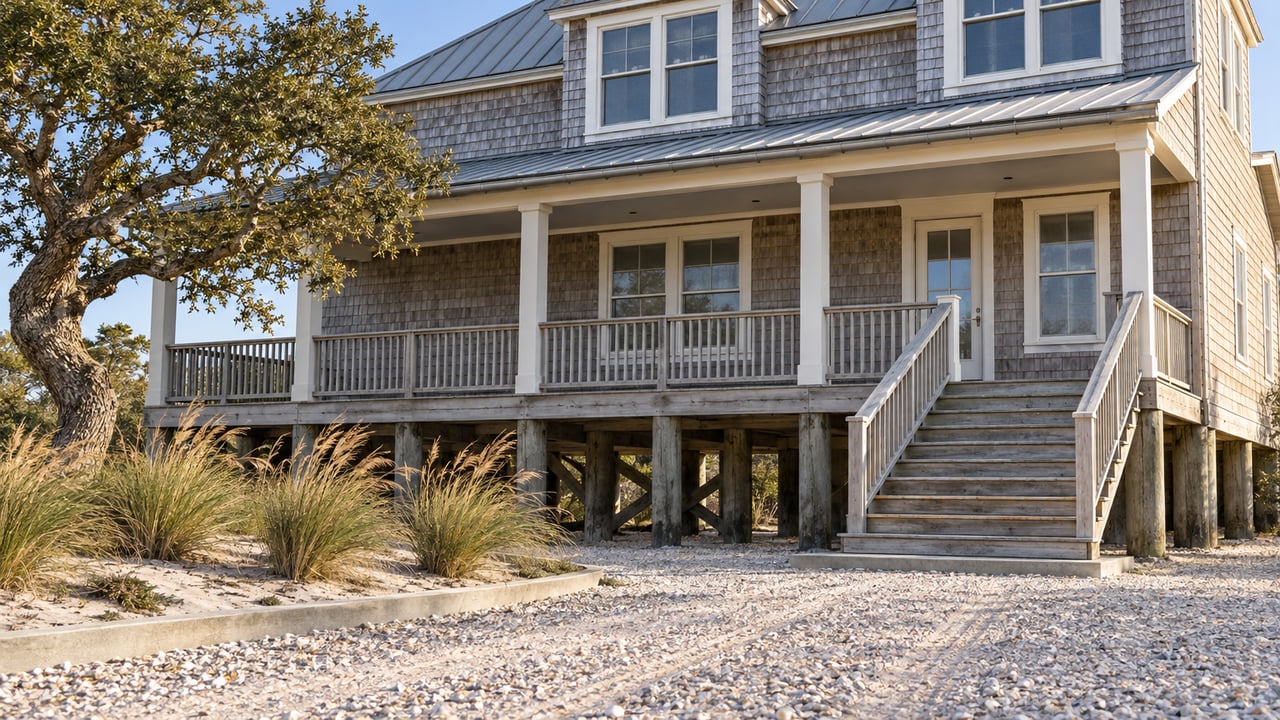
Kitty Hawk is a barrier-island town in Dare County with ocean frontage to the east and sound frontage to the west. The town reports about 10.7 miles of shoreline and elevations ranging from 4 to 38 feet above mean sea level. That coastal setting is part of the appeal, but it also shapes how you should evaluate any home.
This is also an established market, not a blank-slate new construction area. The town describes Kitty Hawk as a mix of a long-established village, a newer beach community of residential cottages, and Kitty Hawk Woods maritime forest. In practical terms, that means your decision often comes down to choosing the right location and property condition, not just picking a floor plan.
Most of Kitty Hawk is already built out, according to the town’s land-use plan. That matters because available inventory can come with tradeoffs tied to age, lot position, flood exposure, septic systems, and past improvements.
Know the Seasonal Reality
Kitty Hawk feels very different in peak season than it does at quieter times of year. The town’s land-use plan lists 3,689 permanent residents, roughly 8,500 peak-season visitors, and nearly 12,200 people on a typical peak day.
If you are buying for full-time living or retirement, that seasonal swing should be part of your planning. Traffic patterns, beach access, and even storm response can be affected when the population rises.
If you are buying a second home or a property you may rent in the future, those seasonal patterns matter in a different way. They can influence how the home fits your lifestyle, when you prefer to use it, and how you think about long-term ownership.
Compare East, West, and Village Areas Carefully
One of the biggest mistakes buyers make is treating all of Kitty Hawk as if it functions the same way. It does not. In this market, the home’s location can matter just as much as the home itself.
East of US 158
The town’s land-use plan notes that many short-term rental homes are located east of US 158. If you are drawn to a beach-oriented footprint or thinking about future seasonal use, this area may deserve extra attention.
That said, you still need to weigh access, elevation, flood exposure, parking, and the condition of the home itself. Two properties that seem close on a map can offer very different ownership experiences.
Sound-side Areas
The same planning documents note that sound-side residents often use canal access and private boat docks. If boating access or a quieter waterside setting is high on your list, sound-side options may align better with your goals.
For many buyers, this comes down to lifestyle. You may prefer easy beach access, or you may value water access on the sound side and a different pace of daily life.
Village and Established Areas
Because Kitty Hawk includes long-established residential areas, buyers should look closely at lot configuration, age of systems, drainage, and prior upgrades. Established areas often have character and location advantages, but they also call for careful due diligence.
Understand the Housing Mix
Kitty Hawk had 3,582 housing units in 2020, according to the town’s land-use plan. About 70% were single-family detached homes, with the rest spread across apartments, duplexes, triplexes or quads, townhomes, and a small share of mobile homes or other housing types.
That housing mix helps explain why many buyers focus on detached coastal homes here. It also means that inventory can support several different goals, including a primary residence, second home, or investment-minded purchase.
The same report says 40% of homes were owner-occupied, 9% were renter-occupied, and 51% were vacant. In Kitty Hawk, that vacant category includes seasonal and short-term rental use, which is important context when you are trying to understand how a specific area may feel throughout the year.
Match the Property to Your Goal
Before you shop seriously, decide what the home needs to do for you over the next five to ten years. Kitty Hawk’s planning documents make clear that the town balances year-round living with seasonal tourism, and that balance should shape your search.
If the home is for full-time living, your priorities may center on everyday convenience, access, maintenance, and comfort in every season. If it is a second home, you may care more about lock-and-leave ease, beach proximity, or future flexibility.
If you may rent the property later, think through whether the home’s location and setup fit that plan. The town identified 465 long-term rental units and 1,515 seasonal, short-term rental, or recreational units, which shows how important intended use can be in this market.
Start Flood and Insurance Research Early
In Kitty Hawk, flood and insurance questions should come early, not after you are emotionally committed. The town notes that ocean overwash, hurricane-force winds, heavy waves, and erosion are natural processes on the barrier island.
The town also provides flood resources by building zone and notes that many land-disturbing activities in designated coastal areas require a CAMA permit. For buyers, that means flood zone, elevation, and permit history should be reviewed before the deal moves too far forward.
North Carolina’s Department of Insurance says standard homeowners insurance does not cover flood damage. It also says some coastal areas may exclude windstorm and hail from the standard policy.
Because of that, it is wise to get separate flood and wind or hail insurance quotes early in the process. North Carolina’s Department of Insurance notes that the separate windstorm and hail market is often written by the North Carolina Insurance Underwriting Association, and it also notes possible mitigation credits and coastal roof grant programs for eligible policyholders.
Pay Close Attention to Septic and Drainage
One of the most important local ownership issues in Kitty Hawk is wastewater. The town’s land-use plan states that Kitty Hawk has no public sewer and that most soils are not well suited for septic systems because the island’s water table is shallow.
The Dare County Health Department oversees and permits septic use in the town, and the plan says septic systems should be carefully monitored. If the property has an older septic system, or if site conditions raise questions about drainage, that deserves careful review during due diligence.
Some commercial and condominium projects use package treatment plants that require ongoing maintenance. Even if you are focused on the home itself, these system details can affect your future costs and your comfort as an owner.
Review Permit Records From Both Town and County
In Kitty Hawk, permit review should go beyond the listing paperwork. The town notes that water service is provided and maintained by the Dare County Water Department, not the town itself.
County permit records also note that building permits for incorporated towns must be obtained through the municipality, while county records cover wastewater systems and wells. That means a complete review should include both town and county files.
This step can help you confirm the history of additions, repairs, septic work, and well-related records where applicable. It is one of the best ways to better understand what you are buying.
Budget for More Than the Purchase Price
Coastal ownership costs in Kitty Hawk can surprise buyers who focus only on list price and mortgage payment. A more complete budget should account for taxes, transfer costs, insurance, and property-specific assessments.
Dare County charges a 1% land transfer tax on certain real estate conveyances, defined by the county as $1 per each $100 or fraction of the total consideration or value of the interest conveyed. That is an important closing cost to include in your planning.
Kitty Hawk’s FY 2025-26 adopted budget lists a townwide ad valorem tax rate of $0.20 per $100, plus separate townwide beach nourishment and fire apparatus reserve levies. There is also a separate municipal service district beach nourishment tax where applicable, so buyers should confirm whether a specific parcel is inside the MSD or subject to additional assessments before estimating carrying costs.
A Smart Buyer Checklist
Before you make an offer in Kitty Hawk, make sure you can answer the basics with confidence:
- What does the flood-zone map show for the parcel?
- Have you received separate flood and wind or hail insurance quotes?
- What do town and county permit records show for additions, repairs, septic, and wells?
- Does the property rely on septic, and what is known about its condition and permitting?
- What taxes, transfer costs, and district levies apply to this parcel?
- Does the home’s location fit your actual plan for living, visiting, or future rental use?
A good purchase in Kitty Hawk is rarely about moving fastest. It is usually about asking the right questions early and understanding how the property will function for you over time.
Buying on the Outer Banks can be exciting, but the strongest decisions are grounded in local knowledge and careful review. If you want steady guidance as you compare homes in Kitty Hawk, Jackson Dixon can help you evaluate location, ownership costs, and the details that matter most before you move forward.
FAQs
What should you check before buying a home in Kitty Hawk?
- You should review the parcel’s flood zone, elevation context, insurance options, permit history, septic details, and total carrying costs before making an offer.
Why does location matter so much when buying in Kitty Hawk?
- Kitty Hawk includes ocean-side, village, and sound-side areas with different lifestyle tradeoffs, access patterns, and property features, so one part of town may fit your goals much better than another.
Do homes in Kitty Hawk usually have public sewer?
- No. Kitty Hawk’s land-use plan says the town has no public sewer, so septic review is an important part of due diligence.
Do you need separate flood insurance for a Kitty Hawk home?
- North Carolina’s Department of Insurance says standard homeowners insurance does not cover flood damage, so buyers should explore separate flood coverage early.
What local costs should buyers budget for in Kitty Hawk?
- Buyers should account for Dare County’s 1% land transfer tax, town property taxes, applicable town levies, insurance, and any parcel-specific assessments or maintenance-related costs.
Should you review both town and county records for a Kitty Hawk property?
- Yes. Town permits and county records may cover different parts of the property history, including building work, wastewater systems, and wells.